SPACE POWER / MISSION READY

Power engineered for the edge of orbit.

Start a mission brief
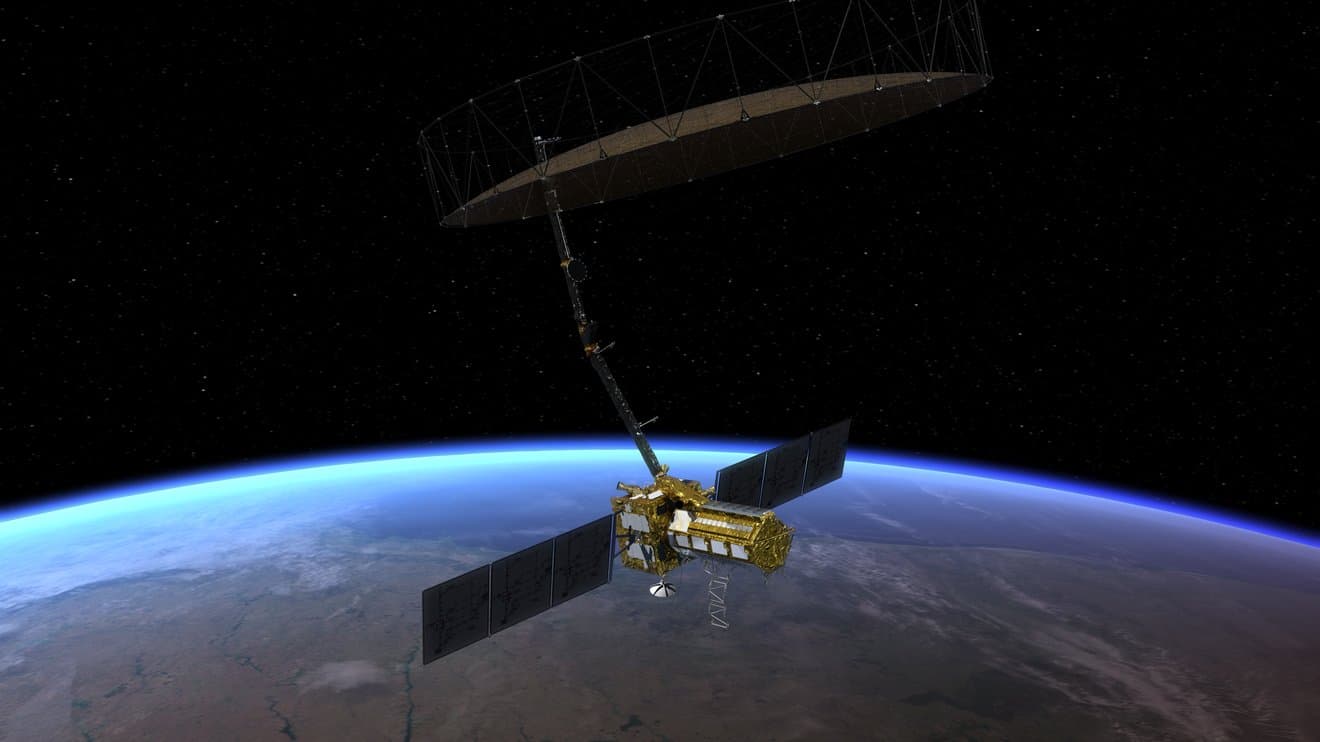
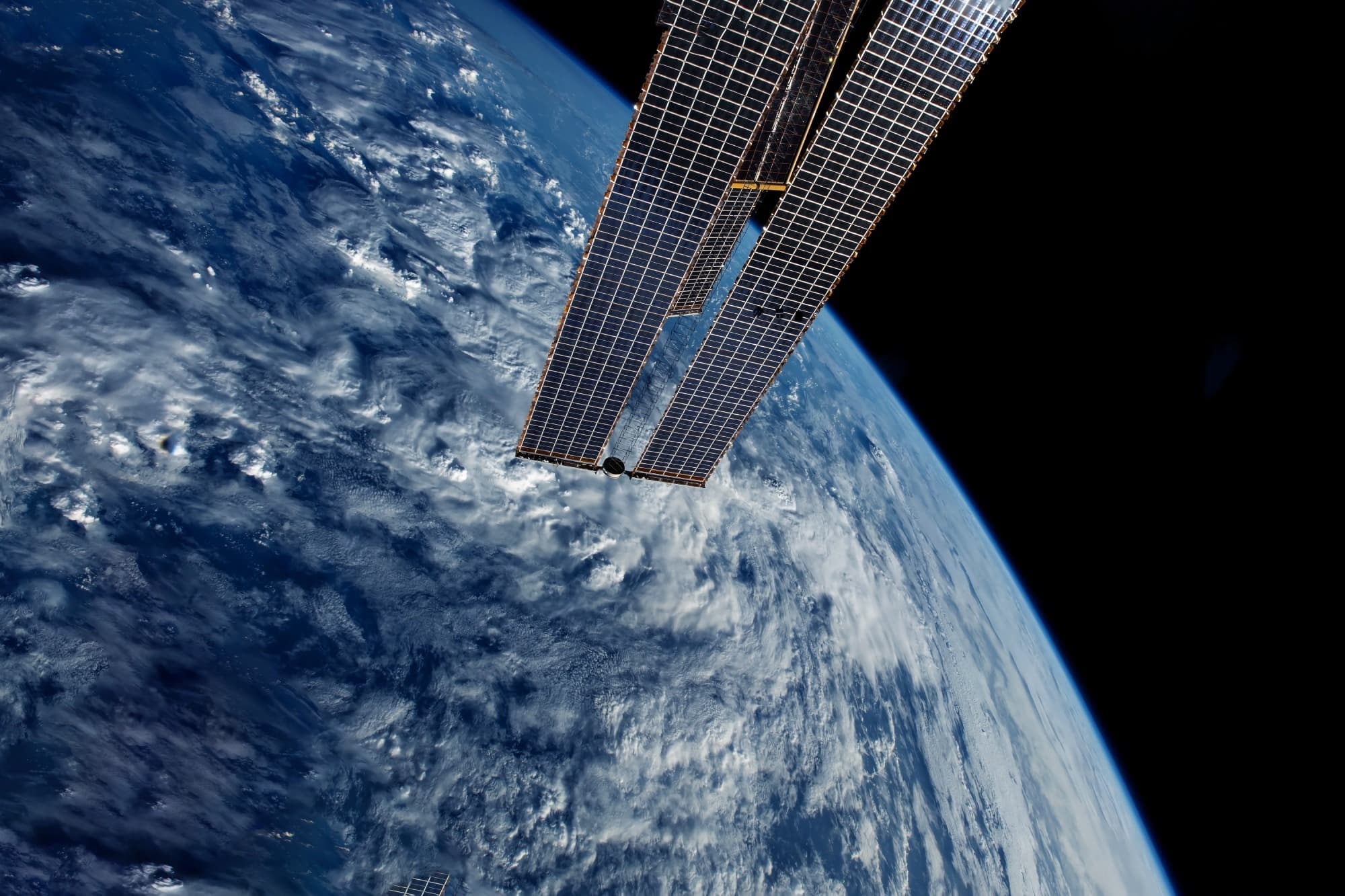
A solar-powered satellite operating above Earth
01 Low Earth Orbit / Mission Energy

Solar built for orbital performance

  • Qualified for thermal cycling, launch vibration, and radiation exposure
  • High-efficiency output across demanding orbital conditions
  • Mission-fit panel architectures with flexible form factors

From compact spacecraft to high-demand orbital infrastructure, Aerion engineers lightweight solar architectures for missions where every watt, gram, and interface matters.

Where grid power
is not an option

Spacecraft require stable energy to support communications, sensing, propulsion, thermal control, and onboard operations across the entire mission lifecycle.

DESIGNED AROUND THE ENVIRONMENT

Space is not a laboratory condition.

Thermal cycling, vibration, vacuum, and radiation create failure modes that conventional panel architectures were never designed to manage.

We treat the panel as a mission-critical system—balancing power density, structural behavior, electrical performance, and integration from the beginning.

HOW WE WORK

Engineered to solve
the hard problems.

Our engineers work alongside your team to challenge assumptions, resolve constraints, and build around the conditions the spacecraft will actually experience.

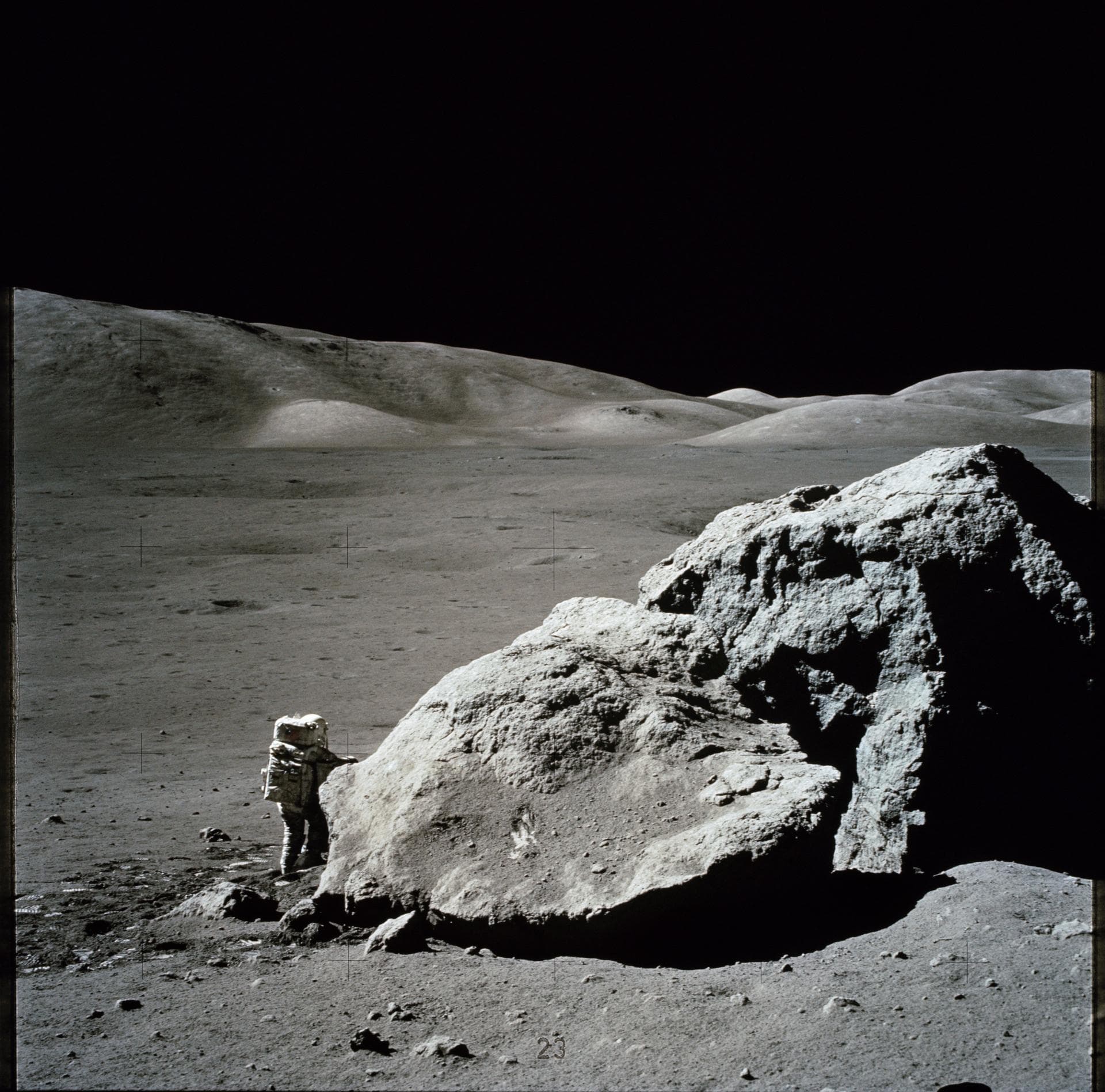
An astronaut working beside a boulder on the lunar surface
01

We start with the mission

Orbit, radiation profile, thermal cycles, launch loads, power demand, and deployment geometry all shape the answer. We begin by understanding the environment your system must survive.

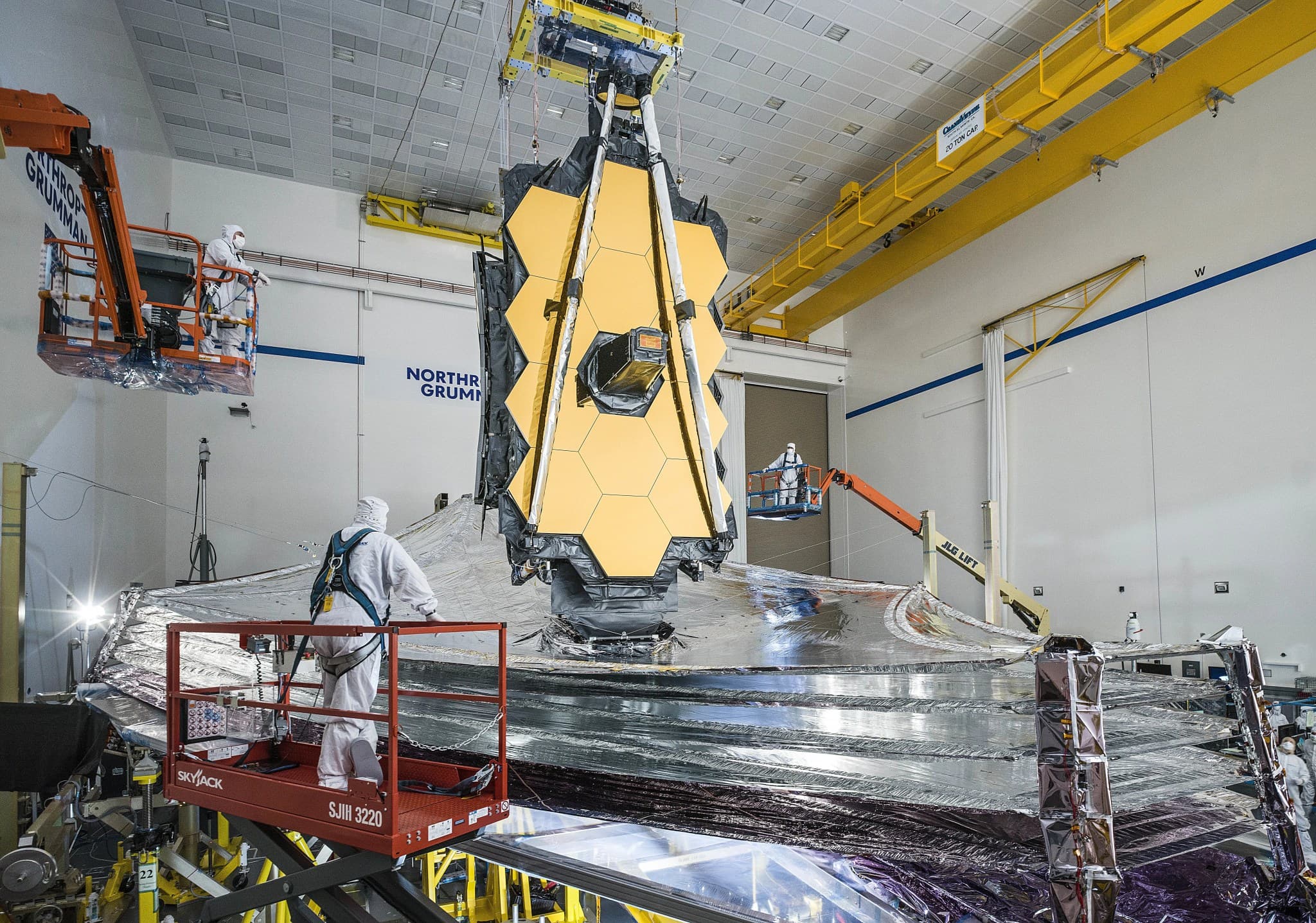
The James Webb Space Telescope being assembled in a cleanroom
02

We engineer beyond the panel surface

Cell architecture, interconnects, substrates, and integration are evaluated as one system. Every decision is made to protect performance without carrying unnecessary mass.

A wide rocky landscape on Mars
03

We design for real conditions

Ideal conditions do not exist beyond Earth. Our engineering process accounts for rapid temperature swings, mechanical stress, radiation, and long-duration degradation from day one.

Engineers integrating spacecraft hardware in a cleanroom
04

We stay through deployment

From initial configuration to validation and integration, our team remains close. You get a technical partner who understands both the power target and the mission constraints.

Complex missions need teams willing to think differently—and build what others will not.

Let's build together

MISSION ADVANTAGE

Why space programs choose
mission-built solar

02

Built for extreme thermal cycles

Architectures that manage thermo-mechanical stress across long-duration orbital operation.

See qualification approach
05

Engineered for long missions

End-of-life stability and durable materials help preserve output across the mission lifecycle.

Talk with an engineer

RELIABILITY / FULL LIFECYCLE

On orbit, small compromises become mission-level risks.

Between thermo-mechanical degradation, solder fatigue, radiation exposure, launch vibration, and long operating life, the first question is not only how much power a panel can produce—it is whether that power will still be there when the mission needs it.

The cost of getting
space power wrong

01

Power loss

Lower-than-planned output limits communications, sensing, propulsion, and mission capability when it matters most.

02

Degradation over time

Thermal and radiation stress can compound across thousands of cycles and make long-term performance unpredictable.

03

Mass versus output

A weak power-to-mass ratio consumes payload margin and reduces flexibility across the spacecraft architecture.

We engineer panel systems for real mission conditions so your spacecraft can deliver consistent power from launch through end of life.

Ready to build a system that performs when it counts?

Start the conversation

FROM CONCEPT TO ORBIT

A process built
around your mission

There is no plug-and-play answer for orbital energy. Every mission brings a different combination of mass, thermal, radiation, integration, and program constraints.

A wide view of a spacecraft assembly high bay
STEP 01

Understand the mission

We map orbit, exposure, power demand, thermal conditions, deployment geometry, and program priorities so no critical constraint is overlooked.

A spacecraft being lowered into a thermal vacuum chamber
STEP 02

Engineer the right solution together

Your team and ours explore configurations, analyze tradeoffs, and converge on an architecture that fits both the spacecraft and the mission.

A rocket launching into the night sky
STEP 03

Test, refine, and deliver

We validate the system through testing and iteration, then support integration so the final assembly performs as designed in the real operating environment.

BUILT ON TRUST

The right solar partner protects more than performance.

We understand that spacecraft programs operate with a high level of confidentiality. Proprietary architectures, system details, and partner relationships remain protected throughout design, validation, and delivery.

AERION / ORBITAL ENERGY

Is your power system ready for what's out there?

Tell us where you are going, what the mission demands, and what has to perform. We will help map the right energy architecture.

Let's connect

QUESTIONS / ANSWERS

Frequently asked questions

What makes a solar panel suitable for space?

Space-qualified panels are designed around thermal cycling, radiation exposure, launch vibration, vacuum operation, and predictable end-of-life performance—not only peak efficiency in laboratory conditions.

Which orbital environments can you support?

The architecture can be tailored for low Earth orbit, sun-synchronous orbit, and other mission profiles after reviewing radiation, temperature, duration, and pointing requirements.

How do the panels integrate with deployable arrays?

We collaborate with spacecraft teams on panel dimensions, attachment strategy, electrical interfaces, deployment geometry, and qualification requirements.

Why is power-to-mass ratio so important?

Every kilogram allocated to the power system affects launch cost and payload margin. Higher power density creates more room for mission hardware and design flexibility.

When should our engineering teams begin working together?

Early concept work is ideal. Bringing power architecture into the conversation before the mechanical envelope is fixed makes tradeoffs easier and reduces integration risk.

Can the design and program remain confidential?

Yes. The engagement is structured to protect proprietary architectures, program details, and partner relationships throughout design, validation, and delivery.